 Inverity
Quality & Measurement
Inverity's neural medical image compression cut CT bits 25% vs JPEG-2000 at the same automated quality gates on 14 held-out scans. Here's how we measured it.
Inverity's neural medical image compression cut CT bits 25% vs JPEG-2000 at the same automated quality gates on 14 held-out scans. Here's how we measured it.

About 5.9 billion images trained AI without asking. The honest map of what now protects artists, photographers and children: consent, provenance, proof, law.
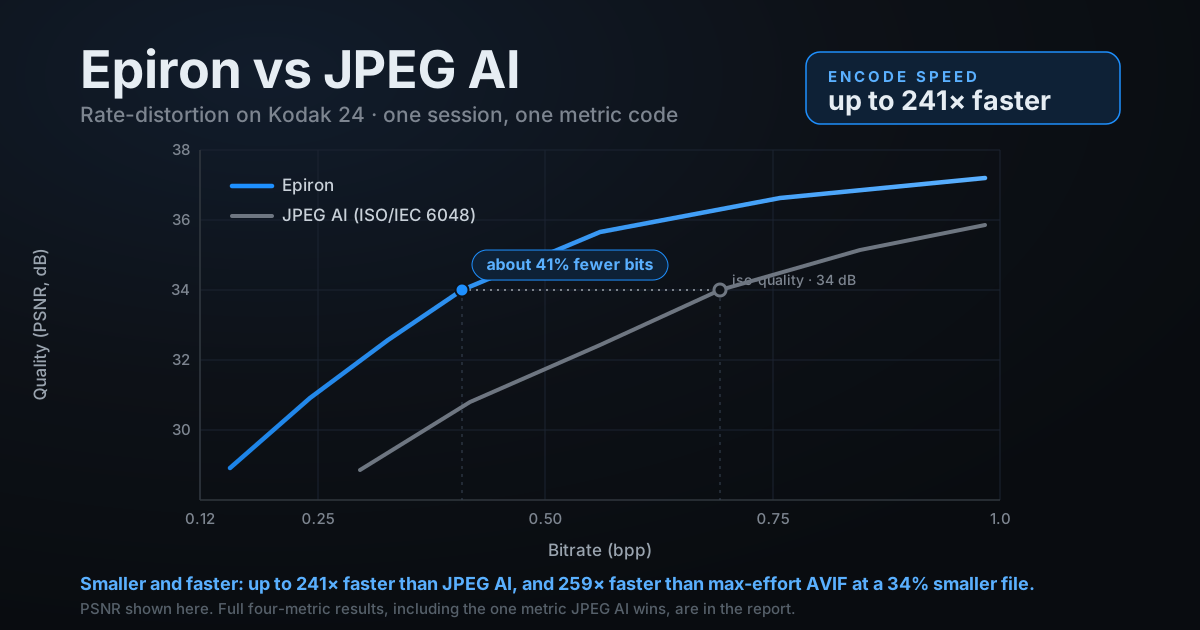
We tested Epiron against JPEG AI (ISO/IEC 6048): same images, same session, same metric code. About 41% fewer bits on photos, 59% on UI, and far faster.
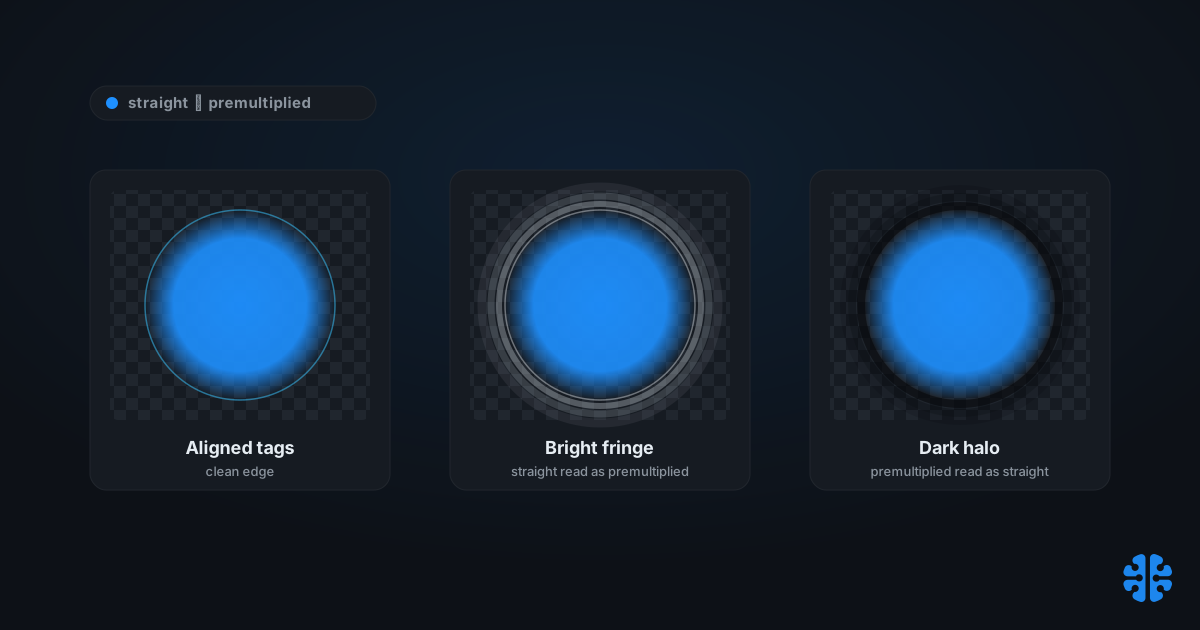
WebP lossless compressed 12,000 translucent PNGs 23% smaller than ZopfliPNG, yet stores alpha losslessly only. Straight vs premultiplied alpha, explained.
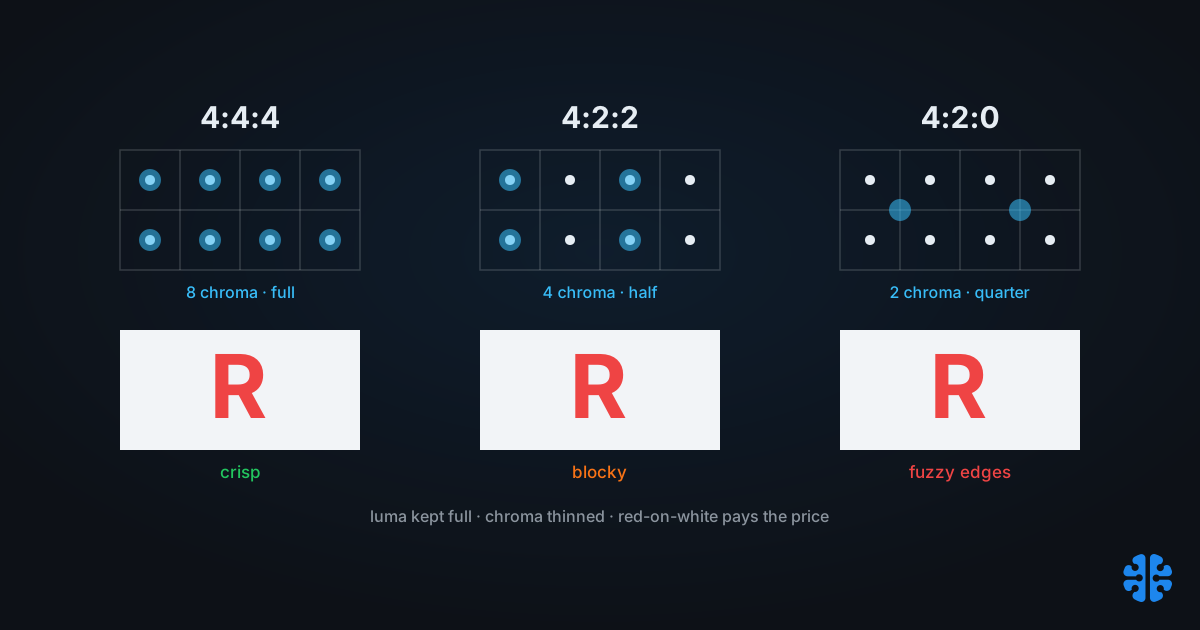
4:2:0 stores half the data of 4:4:4 (12 bpp vs 24) and is nearly invisible on photos. On red text it turns your logo to mush. Here is the decision matrix.
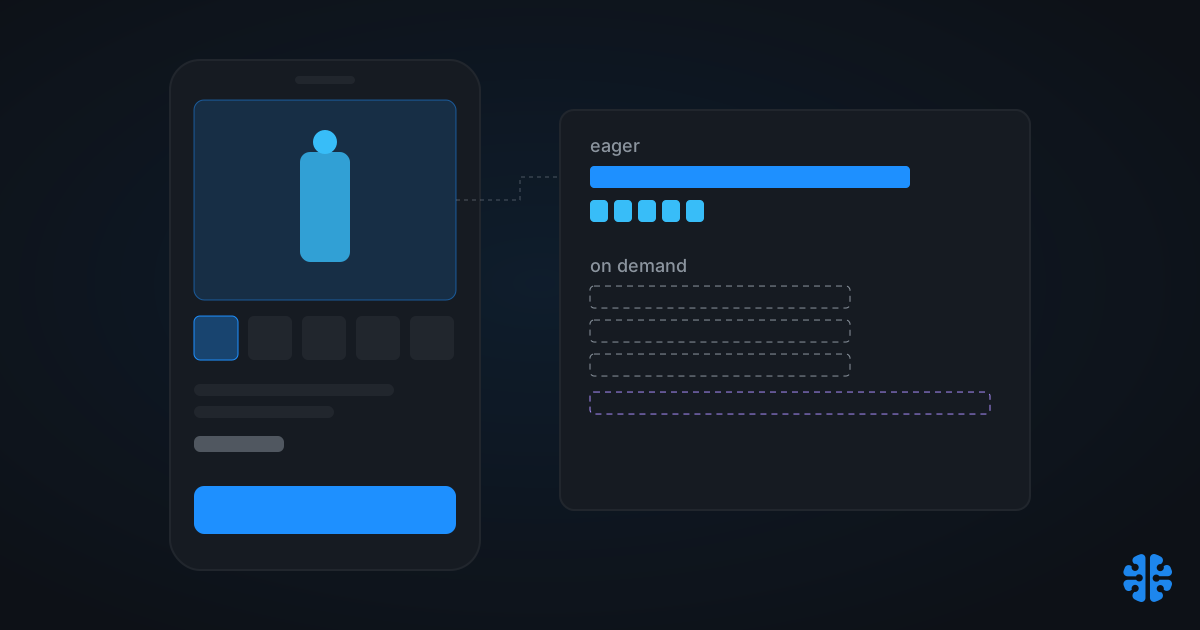
Images are 36% of median mobile page weight, and 63% of shoppers bounce past 4 seconds. A per-image byte budget playbook for product galleries that convert.
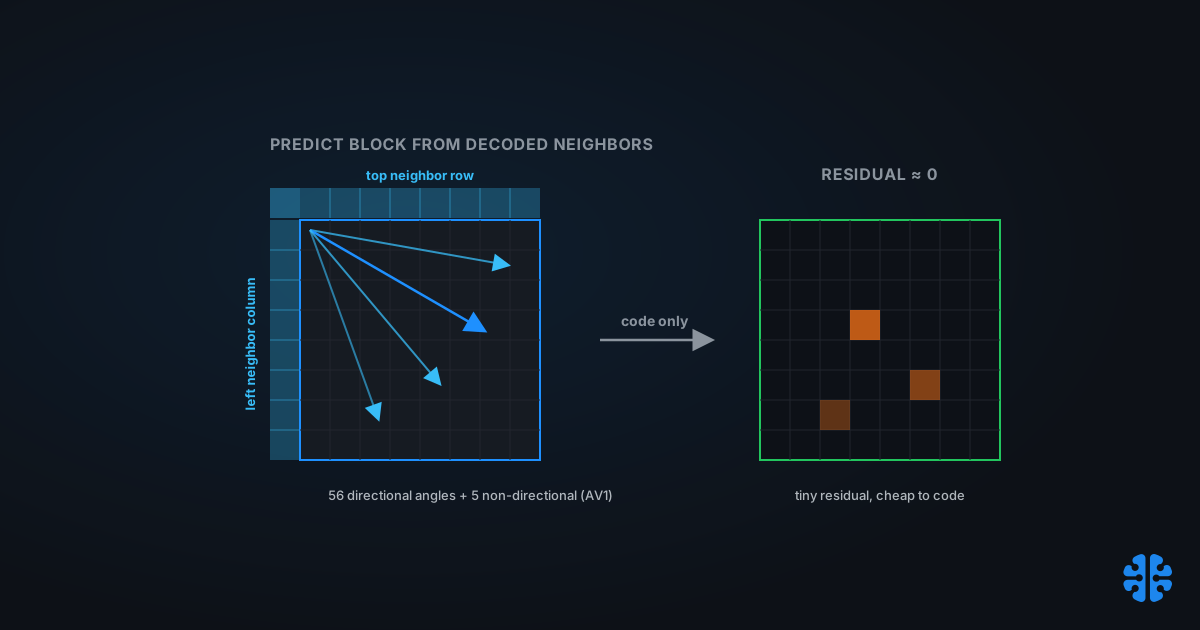
AV1 offers 56 directional intra modes plus 5 more; JPEG has zero and codes 8x8 blocks independently. That gap is why AVIF runs about 50% smaller than JPEG.
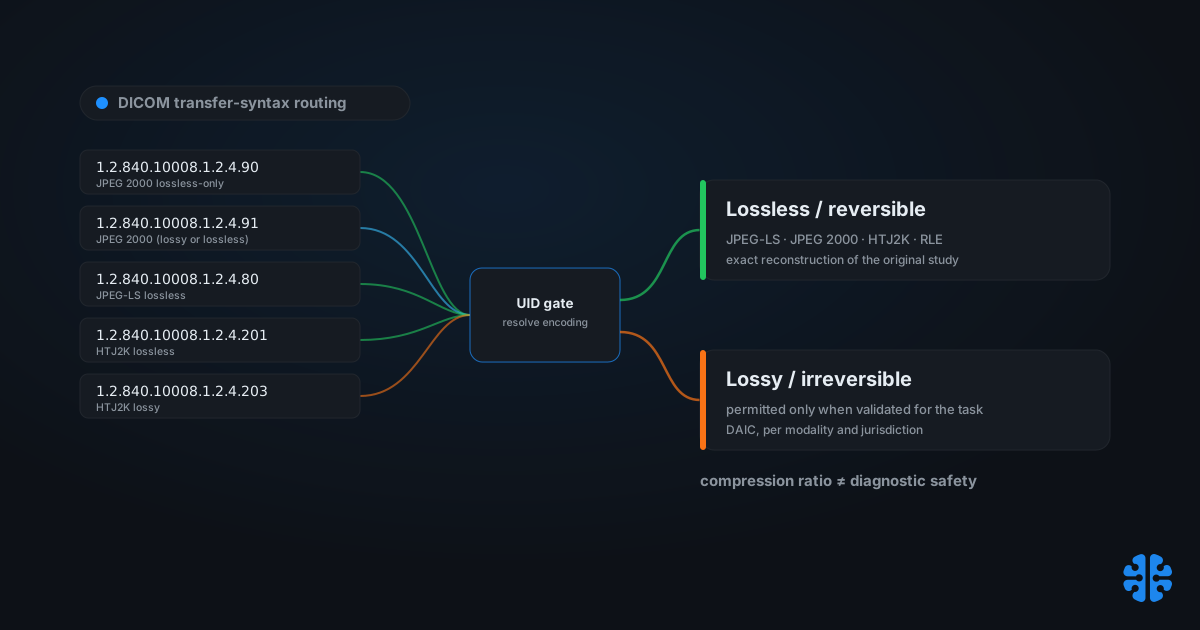
DICOM defines transfer-syntax UIDs for JPEG 2000, JPEG-LS, and HTJ2K, but not whether lossy is allowed. Ratios, HTJ2K, and why ratio is never safety proof.
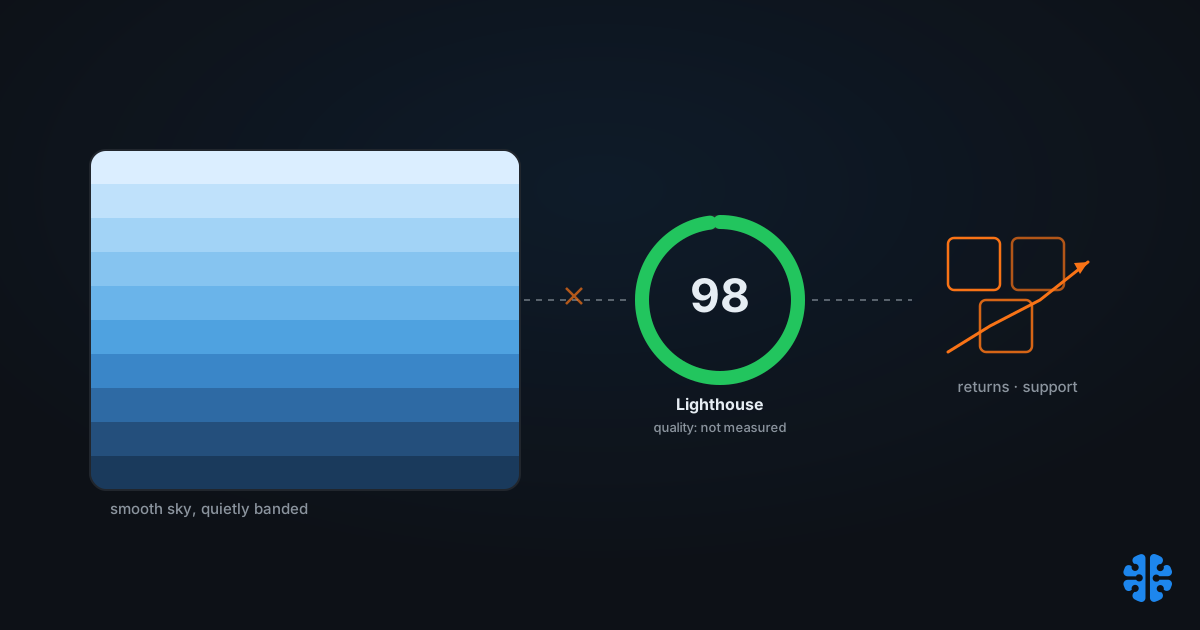
US shoppers returned $890B in 2024, 16.9% of retail. Over-compression is invisible in Lighthouse but surfaces downstream. The measurement asymmetry, explained.
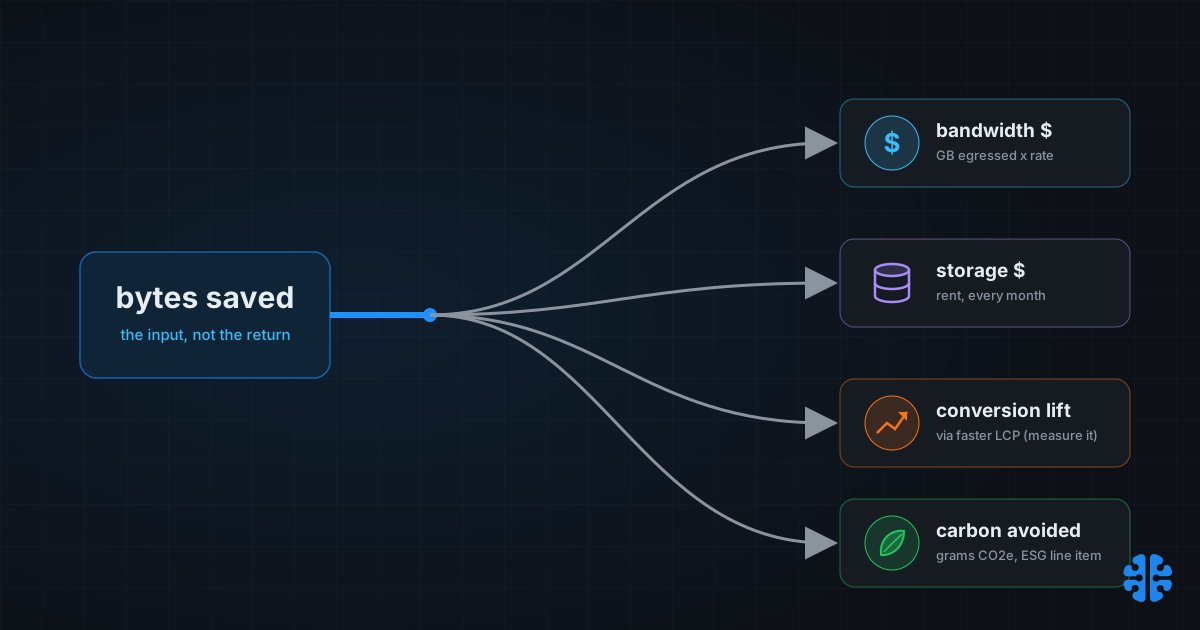
Saving 40% of bytes is the input, not the return. Model compression ROI across bandwidth, storage, conversion, and carbon with a worked payback example.
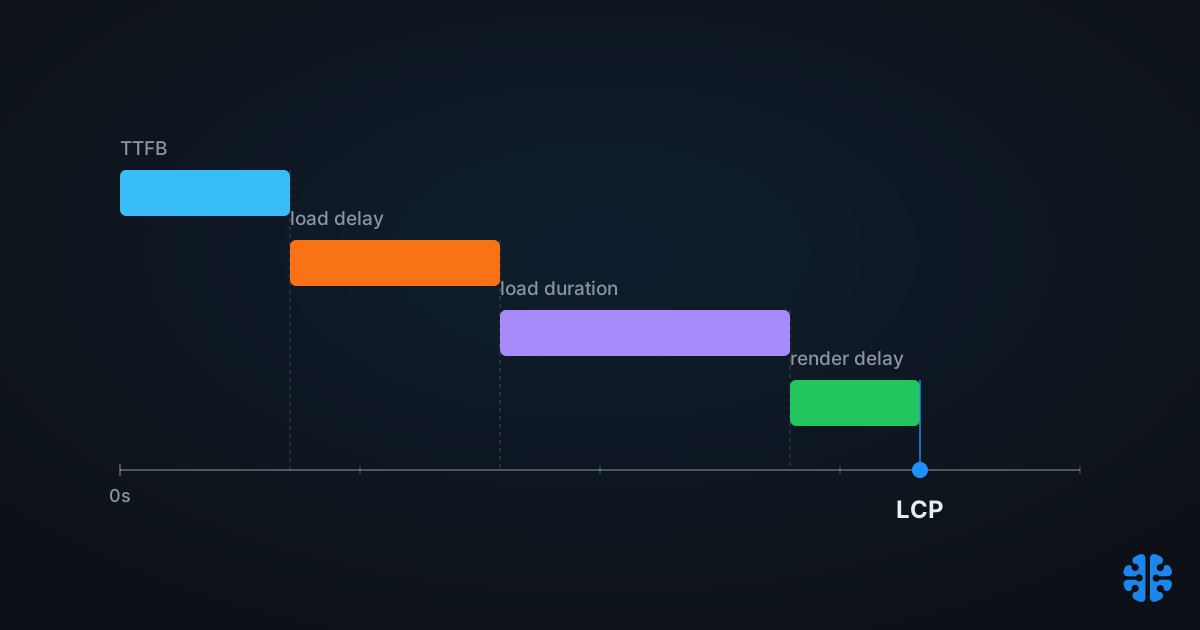
Images are the LCP element on 76-85% of pages, yet only 17% use fetchpriority. A sub-part-by-sub-part playbook to fix Largest Contentful Paint in 2026.
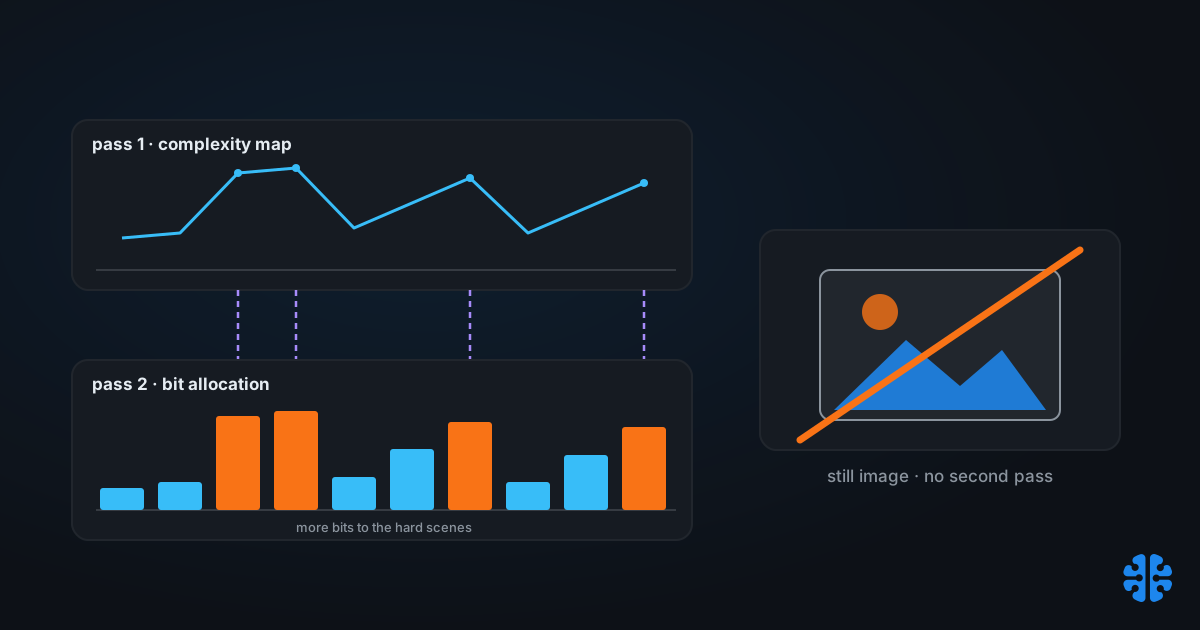
Two-pass added +24% encode time for a 3-point low-frame VMAF gain, and only on feature-length content. With CRF, the second pass buys you nothing at all.